Should You Pressure Wash Before Parking Lot Striping for the Cleanest, Longest-Lasting Lines?
Yes. Pressure washing before parking lot striping removes dirt, oil, rubber residue, and loose debris that prevent striping paint from bonding properly. A clean, dry surface produces sharper lines, improves paint adhesion, extends the life of the markings, and creates a safer, more professional-looking parking lot. According to the Texas Department of Transportation (TxDOT), proper surface preparation is critical for pavement marking performance.
Pressure washing and parking lot striping work best as a complete maintenance solution, not as separate services. At Alliance Pressure Washing & Striping, we understand that the quality of a striping project begins long before the first line is painted. Our experienced team takes the time to properly clean and prepare every surface so your investment lasts longer and looks its best. Whether you’re refreshing faded parking stalls, updating ADA-compliant markings, or reconfiguring an entire parking lot, we focus on precision, durability, and exceptional customer service. Our goal is simple: deliver clean, professional results that improve your property’s appearance while helping protect your pavement investment.
Why Surface Preparation Makes Parking Lot Striping Last Longer
Why does pressure washing improve parking lot striping?
Pressure washing removes the contaminants that interfere with paint adhesion.
Over time, parking lots collect:
- Oil and grease
- Tire rubber buildup
- Dirt and dust
- Loose gravel
- Leaves and organic debris
- Faded paint residue
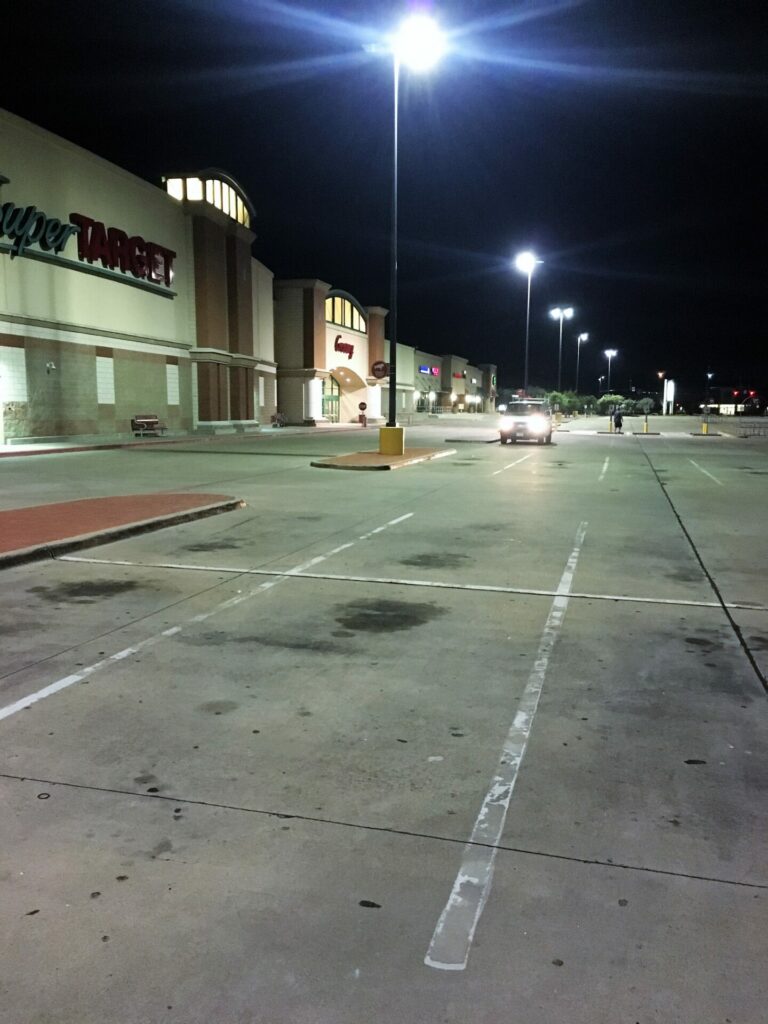
When these materials remain on the pavement, striping paint bonds to the debris instead of the asphalt or concrete. As traffic and weather wear the surface, the paint often begins peeling, fading, or chipping much sooner.
According to the Texas Department of Transportation’s Pavement Marking Handbook, pavement surfaces should be clean and dry before markings are applied because proper surface preparation is essential for maximum durability.
What happens if you skip pressure washing before striping?
Skipping surface cleaning often leads to shorter-lasting striping and unnecessary maintenance costs.
Common problems include:
- Uneven paint coverage
- Fuzzy or jagged line edges
- Poor paint adhesion
- Faster fading
- Peeling or flaking paint
- More frequent restriping
While pressure washing adds an important preparation step, it often saves money by extending the lifespan of the finished striping project.
How does pressure washing create cleaner parking lot lines?
Clean pavement provides a smooth, consistent surface that allows striping equipment to apply paint evenly.
Benefits include:
- Crisp, straight line edges
- More vibrant paint colors
- Better visibility for drivers
- Professional curb appeal
- Improved ADA symbol definition
- More accurate parking space layouts
Property managers frequently notice that freshly striped lots appear significantly newer simply because the paint contrasts sharply against a clean surface.
Why is paint adhesion so important?
Strong paint adhesion directly affects how long parking lot markings remain visible.
Parking lots experience constant stress from:
- Vehicle traffic
- UV exposure
- Rain
- Temperature changes
- Oil drips
- Tire friction
If the paint cannot properly bond to the pavement from the beginning, these conditions quickly accelerate wear.
Industry experts consistently recommend pressure washing before striping because surface contaminants reduce adhesion and shorten coating life.
Should pressure washing be combined with other parking lot maintenance?
Absolutely.
Pressure washing is often part of a complete pavement maintenance plan that may include:
- Surface cleaning
- Crack filling
- Asphalt repairs
- Sealcoating (when needed)
- Parking lot striping
- ADA compliance updates
- Curb painting and directional markings
Completing these services in the proper order helps maximize the life of every maintenance investment.
For example, sealcoating should always be completed before new striping so fresh paint bonds directly to the finished pavement surface.
Frequently Asked Questions
Is pressure washing always necessary before parking lot striping?
In most commercial parking lots, yes. If dirt, oil, rubber residue, or loose debris are present, pressure washing creates the clean surface needed for proper paint adhesion and longer-lasting results.
How long should the pavement dry after pressure washing?
The surface should be completely dry before striping begins. Drying time varies depending on weather, humidity, and pavement type, but experienced contractors schedule work to ensure ideal conditions before applying paint.
Does pressure washing remove old parking lot striping?
Pressure washing can remove loose or deteriorating paint and surface contaminants, but it typically does not remove well-bonded striping. Existing markings may require grinding, blasting, or other removal methods if a new layout is planned.
Will pressure washing save money over time?
Yes. Better paint adhesion generally means striping lasts longer, reducing how often restriping is needed and helping property owners get more value from each maintenance project.
Ready for Professional Parking Lot Striping That Lasts?
The difference between parking lot striping that lasts for months and striping that lasts for years often starts with proper surface preparation. At Alliance Pressure Washing & Striping, we combine professional pressure washing with expert striping services to deliver crisp lines, outstanding durability, and a polished appearance that leaves a lasting impression on your customers.
Ready to refresh your parking lot? Contact us today to request your free estimate and see how professional pressure washing can help your next striping project look better and last longer.